2026 Top Trends in Ceiling Formwork Design and Technology?
In recent years, the construction industry has evolved rapidly. Ceiling formwork has become an essential aspect of this progress. Innovative designs and technologies are shaping how we approach ceiling structures.
The trends for 2026 promise even more advancements. Lightweight materials are gaining popularity; they simplify transportation and installation. Automated processes are reducing manual labor, but not all projects benefit from this shift. Some still value traditional methods.
Sustainability is also a focus area. Eco-friendly materials are emerging, reflecting a growing awareness. However, industry professionals must balance cost and environmental impact. It’s essential to question whether these trends meet practical needs. As we explore the future of ceiling formwork, understanding these dynamics will be crucial.
Emerging Materials in Ceiling Formwork Design for 2026
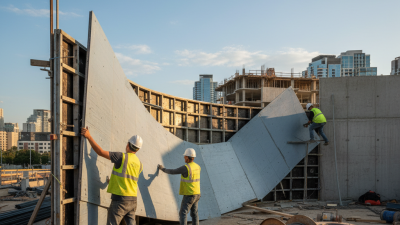
In 2026, ceiling formwork design will likely see a shift towards innovative materials. Emerging materials such as high-strength composites could replace traditional options. These composites are lightweight yet durable. Using them can reduce the overall weight of the formwork system. This change promises easier handling and setup on construction sites.
Another material gaining attention is bio-based resources. These sustainable options often come from recycled sources. They not only help reduce waste, but also lower the carbon footprint of construction projects. Yet, there are challenges. The durability and long-term performance of these materials need more testing. How well they perform under different weather conditions remains to be seen.
Moreover, smart technology integration may play a role. Incorporating sensors in formwork can monitor structural integrity in real time. This development can offer significant advantages, but also raises concerns about reliability. Data privacy and security issues must be considered. Exploring new materials in ceiling formwork provides exciting possibilities, but careful evaluation is essential.
Integration of Smart Technology in Ceiling Formwork Systems
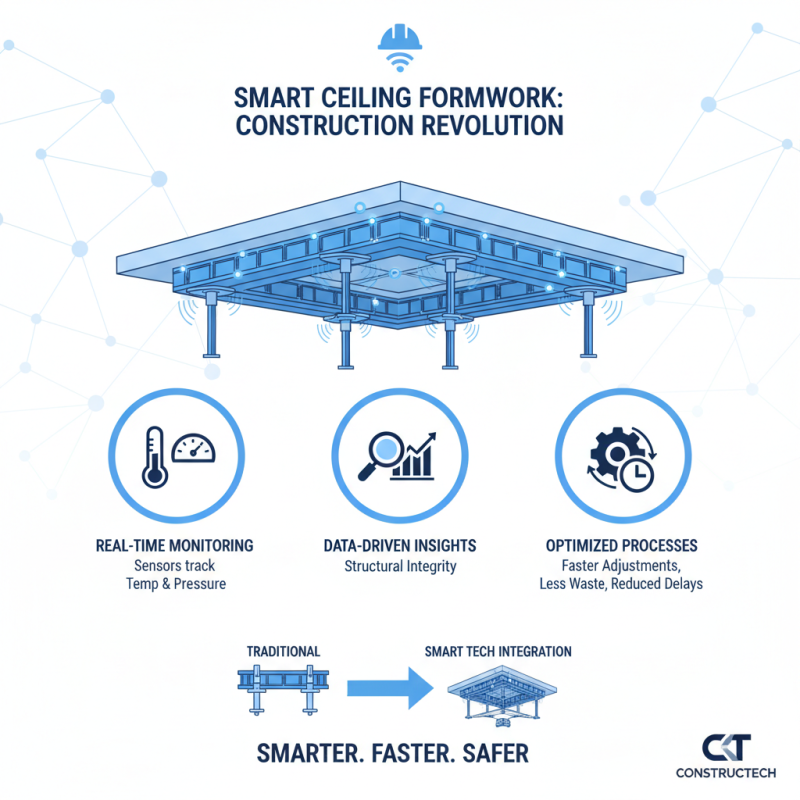
The integration of smart technology in ceiling formwork systems is transforming construction practices. Advanced sensors are being embedded in formwork to monitor structural integrity in real time. These sensors can detect shifts in temperature and pressure, providing valuable data. This data allows for quicker adjustments and precise planning, reducing waste and delays.
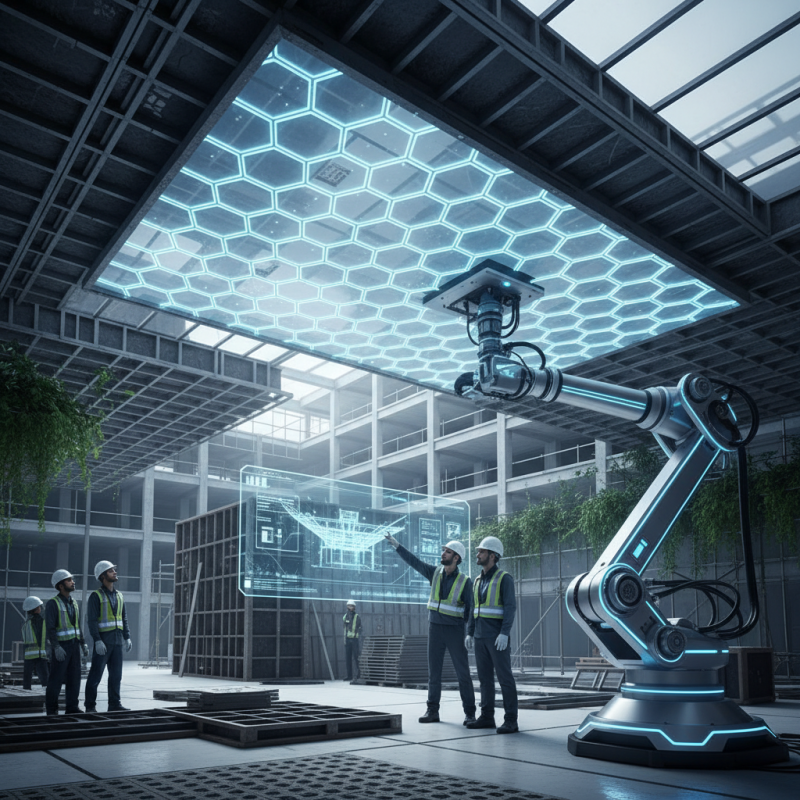
Automation is also becoming a key player. Robotics can handle heavy lifting and placement of formwork, increasing efficiency. This technology minimizes the risk of human error. However, it also raises questions about worker displacement and the need for retraining. The challenge is to balance automation with skilled labor.
Additionally, data analytics tools are improving project management. Teams can analyze past projects to make informed decisions. Yet, relying heavily on technology might lead to a disconnect in human oversight. Finding harmony between digital solutions and traditional expertise is crucial for successful outcomes. The future of ceiling formwork is bright, but careful consideration is needed to navigate potential pitfalls.
Sustainability Trends Impacting Ceiling Formwork Design in 2026
Sustainability is reshaping the ceiling formwork industry. In 2026, designers are prioritizing eco-friendly materials. Recycled content in formwork is becoming common. This shift reduces waste and promotes a circular economy. Concrete, typically a heavy carbon emitter, is being sourced more sustainably. Using alternative binders and additives can significantly lower environmental impact.
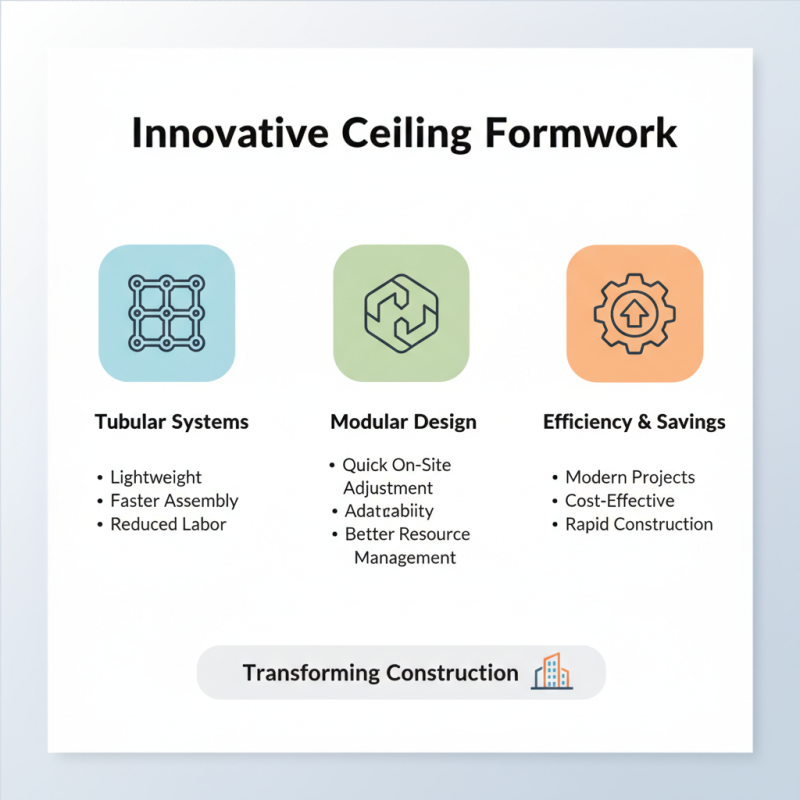
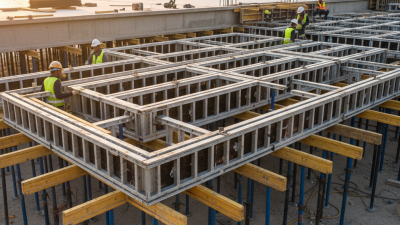
Modular designs are gaining traction. They allow for quicker assembly and disassembly, minimizing material waste. However, this approach has its challenges. Transporting large modules can be inefficient. On-site flexibility is also limited. The focus on reducing lifecycle emissions requires innovative solutions.
Additionally, energy efficiency is essential. Integrating formwork with renewable energy sources is a consideration. The process remains complex, requiring collaboration across industries. Balancing sustainability and functionality in ceiling formwork design calls for continuous reflection. The future is bright, yet there are hurdles to overcome. Adjusting to these trends will take time and effort.
Future Challenges and Solutions in Ceiling Formwork Technology
As the construction industry evolves, ceiling formwork technology faces several future challenges. Safety remains a top priority. Reports indicate that 40% of construction-related accidents involve improper formwork practices. This statistic highlights the pressing need for enhanced safety measures and training programs.
Another challenge is the environmental impact of materials used in formwork. A recent study found that 30% of formwork waste ends up in landfills. This raises questions about sustainability. Many contractors are exploring alternative materials like recycled plastics to minimize waste. Innovations in design can further reduce material usage, making projects more efficient.
Additionally, labor shortages pose a significant problem. The construction sector is lacking skilled workers. Data shows that this shortage could slow down project completion by 25%. Training new workers is essential but often inadequately resourced. Exploring automation could help bridge this gap. However, the balance between technology and human involvement is delicate. Too much reliance on machines may result in job losses. This calls for a careful approach in adopting new techniques.
2026 Top Trends in Ceiling Formwork Design and Technology
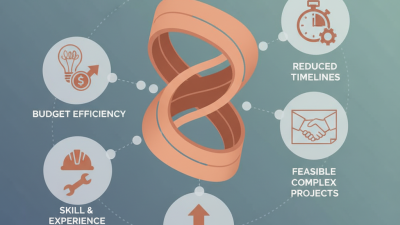
The chart below illustrates the projected trends in ceiling formwork design and technology for 2026. The data reflects the key areas of focus as the industry evolves, showcasing advancements in materials, automation, sustainability, and safety standards.