2026 Top Coffee Table Trends for Global Buyers?
As we move toward 2026, the Coffee Table remains an essential element of home design. This versatile piece not only provides functionality but also enhances the aesthetic appeal of any living space. It has evolved into a statement piece, reflecting individual style and trends.
Current coffee table trends embrace diverse materials, shapes, and styles. Buyers are increasingly drawn to designs that blend practicality with artistry. Unique textures, such as reclaimed wood or metallic finishes, showcase personal taste. Multi-functional coffee tables, with hidden storage or modular features, appeal to modern homeowners seeking efficiency.
While staying updated on trends is crucial, it’s equally important to reflect upon personal needs and space constraints. A trendy coffee table might not fit every home’s layout. Keeping functionality in mind ensures that this piece serves its purpose while enriching the living area. Balancing current trends with individual style creates a harmonious environment.
2026 Coffee Table Design Trends: A Global Overview
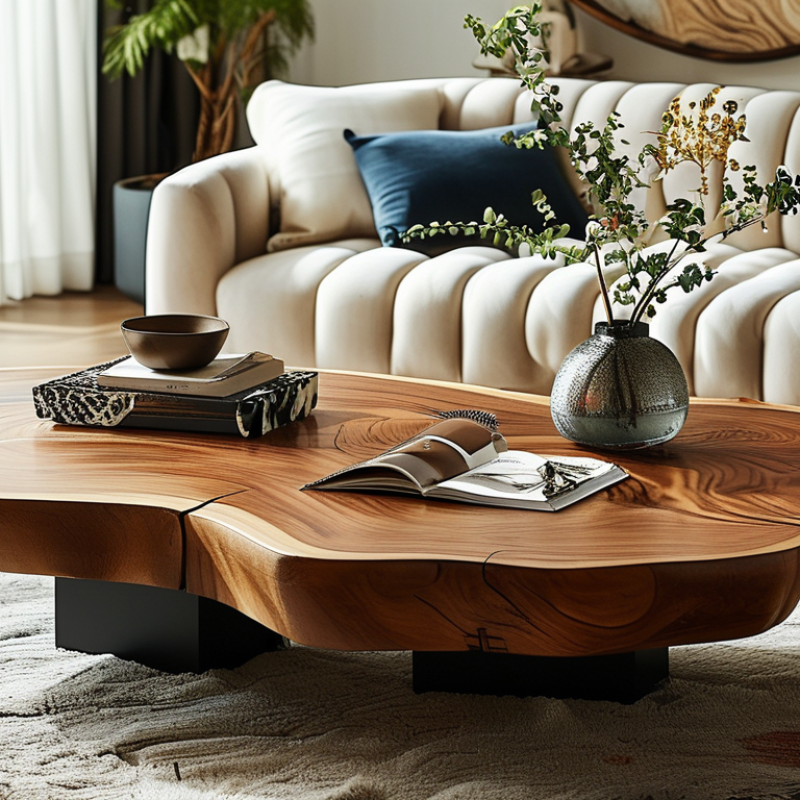
The coffee table serves as a centerpiece in modern living spaces. In 2026, expect designs that reflect a blend of cultural influences. Natural materials like wood and stone will dominate, offering textures that invite touch. Smooth surfaces will marry with irregular shapes, creating a dynamic aesthetic.
Tips: Incorporate a variety of materials in your coffee table selection. For instance, mix metal accents with a wooden base. This juxtaposition can add depth to your room.
Color palettes will shift, too. Earthy tones combined with vibrant accents will create a warm atmosphere. Think terracotta paired with teal. This combination energizes the space while remaining subtle.
It's also crucial to consider functionality. Some coffee tables will introduce hidden storage. These designs can help minimize clutter. Reflect on your needs when selecting a table. Evaluate if it meets your lifestyle. This thoughtfulness makes a significant difference in your buying decision.
Sustainable Materials: Eco-Friendly Choices in Coffee Tables
In 2026, buyers are increasingly prioritizing sustainable materials for coffee tables. Eco-friendly choices resonate with both environmental concerns and modern design aesthetics. Recycled woods, bamboo, and reclaimed materials are becoming popular favorites. These materials not only reduce waste but also add character to home decor.
However, choosing sustainable options often presents challenges. Some eco-friendly woods may not be as durable. They might require more maintenance than traditional materials. Buyers need to weigh the benefits against potential drawbacks. Understanding where materials come from is crucial. Transparency in sourcing can enhance the overall trust in the product.
Custom designs using sustainable materials are also on the rise. Artisans are experimenting with innovative approaches to create unique pieces. This trend highlights individual expression while being eco-conscious. Consumers must consider how their choices impact the environment. The journey to a more sustainable home is not always straightforward but essential for the future.
Innovative Styles: Merging Functionality with Aesthetics
Innovative coffee table designs are transforming living spaces in unexpected ways. Merging functionality with aesthetics is at the heart of these trends. Many buyers seek designs that not only complement their decor but also serve multiple purposes. For example, some coffee tables now come with built-in storage, perfect for stowing away magazines or remote controls. This duality of design adds both practicality and style to a room.
Textures and materials also play a significant role. Natural wood and metal combinations create a warm yet modern feel. However, the challenge lies in balancing different elements cohesively. A striking glass top might clash with a bulky wooden base, prompting a reevaluation of design choices. Experimental shapes and colors are gaining traction as well, inviting buyers to think outside traditional norms. Yet, selecting the right color palette or shape can be daunting. Buyers must reflect on their overall aesthetic to avoid mismatched styles.
As the trend evolves, sustainability remains a focal point. Eco-friendly materials are increasingly favored, yet they often require careful consideration of durability and maintenance. A beautifully crafted coffee table might use reclaimed wood, but if it demands excessive upkeep, it may defeat its purpose. Ultimately, buyers should strive for pieces that feel right for their space, ensuring the blend of beauty and utility enhances their lifestyle.
Color Palettes and Finishes: What's Trending in 2026
In 2026, color palettes for coffee tables are shifting toward earthy tones and muted shades. Warm terracotta, soft greens, and deep blues are emerging as favorites. These colors not only complement natural wood finishes but also introduce a sense of calm to living spaces. The trend reflects a growing desire for harmony and connection with nature, offering a refreshing contrast to the bright shades of previous years.
Finishes are also evolving. Matte and textured surfaces are gaining popularity. People appreciate the tactile experience these finishes provide. A coffee table with a soft, matte finish feels inviting and encourages interaction. However, this trend may not be suitable for everyone, as glossy finishes can enhance light in a room. It’s crucial to consider how different finishes can transform the ambiance of a space.
As buyers make choices, the selection process might feel overwhelming. Balancing personal taste with current trends is no easy feat. Each decision impacts the overall aesthetic. Reflecting on these choices can lead to more intentional design statements. Embracing imperfections within these trends can foster a unique character in every home.
Smart Coffee Tables: Integrating Technology into Home Decor
Smart coffee tables are becoming a centerpiece in modern home decor. As we enter 2026, the integration of technology into furniture reflects changing consumer preferences. A recent report by Market Research Future highlights that the smart furniture market is expected to grow at a CAGR of 22% between 2021 and 2028. This trend shows that buyers desire functionality alongside aesthetics.
Many smart coffee tables now come equipped with features like wireless charging, Bluetooth speakers, and touch controls. These additions not only enhance user experience but also contribute to the minimalist design trend. For example, a table with built-in smart lights can change the ambiance at a touch. However, the technology can sometimes be overwhelming. Users might struggle with complex interfaces that detract from the table’s elegance.
Tips: Choose tech features that match your lifestyle. If you host often, opt for tables with storage solutions or multimedia capabilities. Always consider your home's overall style; not every smart table fits seamlessly into every decor. Lastly, stay informed about rapid advancements in technology. Being aware helps avoid investing in quickly outdated features. Proper research ensures a smart coffee table that meets your current and future needs.
2026 Top Coffee Table Trends for Global Buyers
| Trend | Description | Key Features | Environmental Impact | Price Range |
| Smart Integration | Coffee tables with built-in technology for connectivity and functionality. | Wireless charging, Bluetooth speakers, LED lights. | Use of sustainable materials; energy-efficient technology. | $200 - $600 |
| Multifunctionality | Tables that serve dual purposes, such as storage or seating. | Storage compartments, extension features. | Maximizes space; reduces need for additional furniture. | $150 - $500 |
| Eco-friendly Designs | Coffee tables made from recycled or sustainable materials. | Bamboo, reclaimed wood, non-toxic finishes. | Lowers carbon footprint; promotes sustainability. | $100 - $400 |
| Minimalist Aesthetics | Sleek, simple designs that emphasize clean lines. | Linear shapes, neutral colors, open space design. | Focus on reducing clutter; encourages decluttering. | $80 - $350 |
| Artistic Expressions | Tables designed as statement pieces, featuring unique art. | Colorful patterns, artistic shapes, bespoke designs. | Supports local artisans; encourages creativity. | $300 - $1,000 |