2026 Best Bendy Formwork Innovations and Applications Guide?
The emergence of bendy formwork has revolutionized the construction industry. This innovative approach allows for greater flexibility in design and application. In 2026, advancements in bendy formwork are more significant than ever.
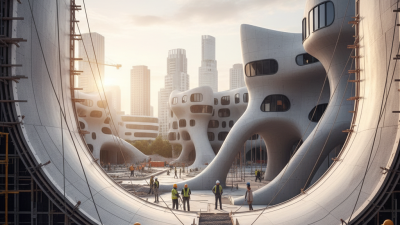
Bendy formwork provides the ability to create complex curves and intricate shapes. This adaptability makes it a popular choice for modern architectural projects. However, challenges remain. Not all construction teams have fully embraced this technology.
Moreover, understanding the best practices and innovations in using bendy formwork is crucial. Projects may struggle without proper training and resources. Exploring these advancements can lead to improved efficiency and creativity in construction. But it’s also essential to reflect on past mistakes and learn from them.
Innovative Materials in Bendy Formwork for 2026
The evolution of formwork technology is fascinating. Bendy formwork explores innovative materials that promise greater flexibility in construction. These materials can curve and adapt to various shapes. This allows architects to push boundaries and create unique designs.
Recent studies indicate that eco-friendly materials are becoming increasingly popular. Recycled plastics and biologically sourced composites show promise. Using these materials could reduce the carbon footprint of buildings. However, this transition is not without challenges. Some materials still lack the durability required for heavy use.
Adoption of these innovations raises questions. Are we fully prepared to embrace such changes? Training and education will be vital in overcoming these obstacles. It’s essential to rethink conventional practices, moving towards a more sustainable future. The journey is ongoing, with much to learn and improve.
Innovative Materials in Bendy Formwork for 2026
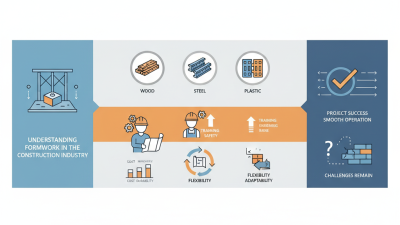
This chart represents the innovative materials used in bendy formwork for 2026, highlighting their application areas and effectiveness.
Applications of Bendy Formwork in Modern Construction
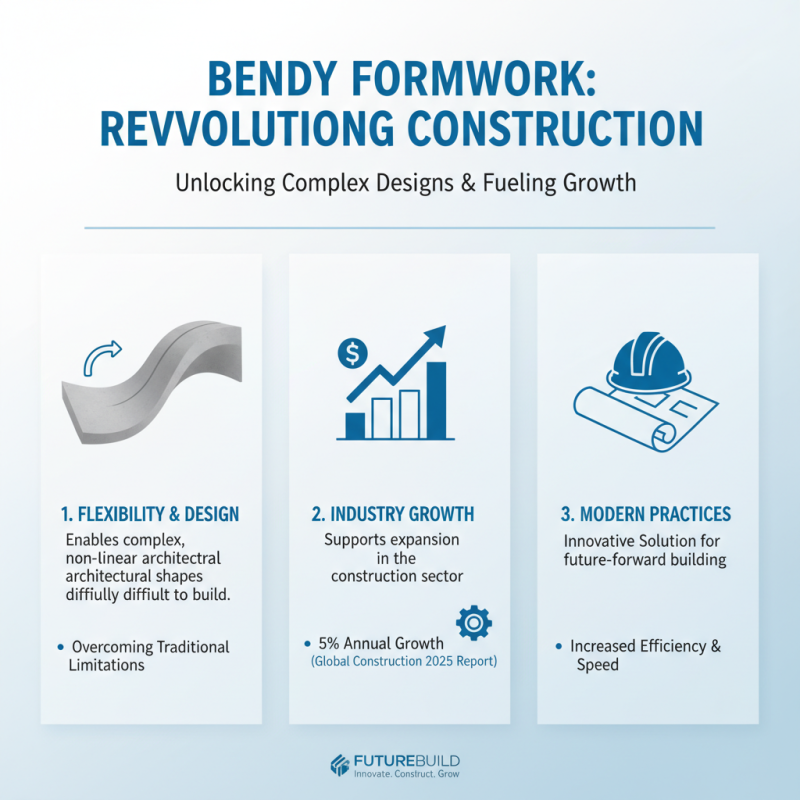
Bendy formwork is changing modern construction practices significantly. Its flexibility allows for complex designs that were once difficult to achieve. According to a report by the Global Construction 2025, the construction industry is expected to grow by 5% annually. This growth drives demand for innovative solutions like bendy formwork.
Installation is faster with bendy formwork. This reduces project timelines and labor costs. A study by McKinsey highlights that adopting new materials can cut costs by up to 20%. Architects and engineers enjoy more creative freedom, which leads to unique building shapes. However, using bendy formwork requires meticulous planning. The learning curve can be steep.
Environmental benefits also exist. Bendy formwork can be reused multiple times, minimizing waste. Reports indicate that a 30% reduction in waste is achievable with this method. Still, some challenges remain, such as the need for proper training. Familiarity with the system impacts overall effectiveness. Overall, bent formwork offers substantial advantages, but careful implementation is essential for optimal results.
Advantages of Using Bendy Formwork for Complex Structures
Bendy formwork has transformed the construction landscape, especially for complex structures. Recent reports show that using flexible formwork can reduce material waste by up to 30%. This efficiency is vital in a time when sustainability is crucial.
One of the standout advantages of bendy formwork is its ability to adapt to various architectural designs. Complex curves and shapes become feasible. Typically, traditional formwork struggles with these designs, leading to increased costs and time. For instance, a research study demonstrated that projects using bendy formwork completed 20% faster than those using rigid systems.
However, challenges remain. The learning curve associated with installing bendy formwork can be steep. Teams may need more time to acquire the necessary skills. Additionally, the initial cost might deter some projects. Balancing these aspects requires careful planning. Understanding the full potential of bendy formwork can lead to remarkable results in architectural innovation and efficiency.
Future Trends in Bendy Formwork Technology
The future of bendy formwork technology is rising faster than ever. Innovations are reshaping how buildings are constructed. With advanced materials and design techniques, the possibilities are expanding. Enhanced flexibility allows for unique architectural shapes. This adaptability is essential for modern construction needs.
These new technologies also demand careful integration. Workers must adapt to different procedures and tooling. Misalignment between the formwork and the structure can lead to costly mistakes. Continuous training is necessary to bridge this gap. Emphasizing collaboration between engineers and construction teams can improve outcomes.
Sustainability in bendy formwork is gaining traction. Reusable and recyclable materials are becoming more prominent. This shift promotes environmental responsibility. However, not all innovations are practical or cost-effective yet. Each new solution requires thorough evaluation. Balancing innovation with efficiency is key for the future.
Case Studies: Successful Projects Utilizing Bendy Formwork
In recent years, the use of bendy formwork has gained traction in various construction projects. One notable case involved a bridge design that required intricate curves. The team faced challenges with the initial molds. Adjustments were necessary, leading to unexpected costs and delays. However, the final result showcased the beauty of the structure, captivating the local community.
Another project involved the use of bendy formwork in residential buildings. The architects aimed for a modern aesthetic. They encountered difficulties in aligning the formwork precisely. Several iterations were needed to achieve the desired look. Despite these setbacks, the finished homes stood as a testament to innovation. Residents appreciated the unique style that bendy formwork provided.
These examples highlight both the potential and challenges of using bendy formwork. Each project carries its lessons, revealing the need for careful planning and execution. Embracing imperfections can lead to creativity and unexpected outcomes. The journey often shapes the final product just as much as the materials.