Top Tips for Choosing Flexible Concrete Formwork Efficiently?
Choosing the right flexible concrete formwork can significantly impact project efficiency and cost. According to a report by the American Concrete Institute, using flexible formwork can reduce labor costs by up to 30%. This innovative approach allows for greater design freedom and reduced material waste. "Flexible concrete formwork changes the way we think about construction," says Dr. Amanda Ray, a leading expert in concrete technology. Her insights emphasize how this method promotes sustainability in the industry.
However, navigating the diverse options in flexible concrete formwork requires careful consideration. It's essential to evaluate product durability, compatibility with various concrete types, and the specifics of your project. Many companies offer varying specifications, making the selection process daunting. Details matter. A poorly chosen formwork can lead to delays and increased costs. The importance of hands-on experience cannot be overstated. Industry professionals often learn from past mistakes, highlighting the need for thorough research and consultation.
Ultimately, the key lies in understanding both the benefits and potential drawbacks of flexible concrete formwork. Making informed choices can lead to enhanced project outcomes and contribute positively to the environment. The right decision today builds a better tomorrow.

Understanding the Basics and Benefits of Flexible Concrete Formwork
Flexible concrete formwork is gaining attention in construction. This innovative approach allows for more intricate designs and shapes. The benefits are significant. It reduces waste, saves time, and enhances creativity in architectural projects. Understanding these basics helps in making informed decisions.
Choosing durable materials is crucial. High-quality flexible formwork will withstand multiple uses. Look for options that offer easy shaping without compromising strength. Check the material's adaptability to various weather conditions. Adjustable formwork systems can save you time on site and improve results.
Pay attention to user feedback. Talk to professionals who have experience with flexible concrete formwork. Their insights can help you avoid common pitfalls. Test different systems before committing to one. Being flexible in your choices can lead to unexpected benefits. Always evaluate reliability and performance before making a decision.
Top Tips for Choosing Flexible Concrete Formwork Efficiently
| Dimension |
Description |
Benefits |
Considerations |
| Materials |
Different types of materials such as plastic, steel, or wood. |
Durability and flexibility for complex shapes. |
Material cost and structural requirements. |
| Design Flexibility |
Ability to create unique shapes and sizes. |
Enhanced architectural aesthetics. |
Requires skilled labor for intricate designs. |
| Setup Time |
Time taken to assemble the formwork. |
Faster construction times and reduced labor costs. |
Training may be needed for new systems. |
| Reusability |
Can the formwork be reused for multiple projects? |
Cost-effective and environmentally friendly. |
Deterioration may occur after several uses. |
| Cost |
Initial investment and ongoing costs. |
Long-term savings due to efficiency. |
Balance between cost and performance required. |
Key Material Properties to Consider for Durable and Cost-Effective Formwork
Choosing flexible concrete formwork involves understanding key material properties. Durability is crucial. The formwork needs to withstand various environmental conditions. Moisture resistance helps prevent damage during rainy seasons. A robust material choice also ensures longevity.
Cost-effectiveness plays a significant role. Evaluate the total lifecycle cost, not just the initial purchase price. Some materials may seem cheaper upfront but lead to higher maintenance costs later. Flexibility should also be considered, allowing for creative designs without compromising integrity.
Assessing the weight of the materials can impact transportation and installation. Light-weight options may reduce labor costs. However, be wary; overly lightweight materials can compromise strength. Each project must balance these aspects carefully for optimal outcomes.
Evaluating Formwork Design Options for Various Construction Needs
Choosing the right formwork design is crucial for any construction project. It contributes to structural integrity and efficiency. Different projects require different types of formwork. Assessing specific needs helps determine the best option. Consider the project's scale and complexity when evaluating designs.
One key tip is to understand material options. Certain materials can offer enhanced durability. For instance, some are resistant to weather conditions. Another tip is to consult with experienced engineers. Their insights can help predict potential challenges. Keep in mind that flexible systems can lead to waste if not managed properly. Be prepared for unexpected issues that may arise during installation.
Evaluate labor costs and training requirements as well. A complex formwork design may demand more skilled workers. This can affect both timeline and budget. Communication between team members is essential throughout the process. Ensure everyone is familiar with the chosen design to avoid errors. It's crucial to strike a balance between innovation and practicality.
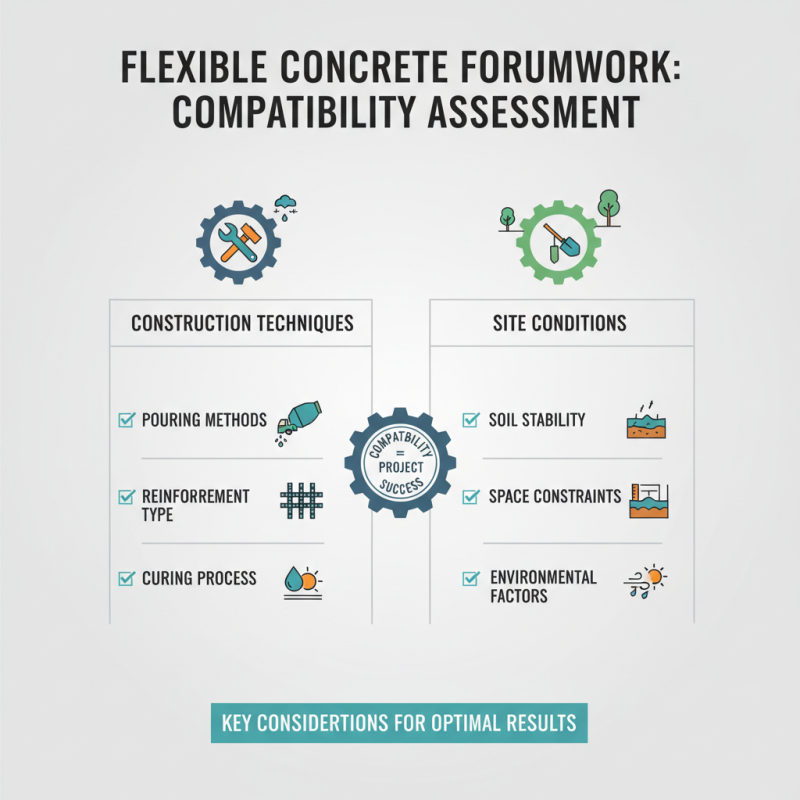
Assessing Compatibility with Construction Techniques and Site Conditions
Choosing the right flexible concrete formwork requires careful consideration of the construction techniques and site conditions. Compatibility plays a crucial role in ensuring project success. Each site is unique, with varying soil conditions, space constraints, and environmental factors that influence formwork selection.
Evaluate construction techniques before making a decision. Consider whether the project relies on traditional or modern methods. For projects using advanced techniques, lightweight and adaptable formwork can enhance efficiency. Be aware of how these techniques align with your site specifics.
Tip: Assess the site's accessibility. Limited space can lead to complications. Also, consider the weather conditions during construction. Unpredictable weather can affect the formwork material's performance. Flexibility in your selection can help to mitigate these risks.
Another point to reflect on is the potential for errors. Not all formwork options will integrate seamlessly with existing methods. A mismatch can lead to delays and frustrations. Prioritize options that have a proven track record in similar environments. Familiarity with the materials and techniques can foster better decision-making.
Tips for Efficient Installation, Maintenance, and Reusability of Flexible Formwork
Choosing flexible concrete formwork can enhance efficiency in construction projects. Understanding the installation, maintenance, and reusability of these systems is essential.
When installing flexible formwork, ensure proper alignment. Misalignment can cause uneven surfaces. Use reliable tools to secure the forms. Make adjustments as needed. Always double-check before pouring concrete. Small mistakes can lead to more significant issues.
Maintenance is crucial for longevity. Regularly inspect your formwork for wear and tear. Clean the surfaces to remove debris. Neglect can lead to defects in future projects. Be mindful of how the forms are stored after use. Poor storage can reduce their lifespan.
Reusability adds value. Plan for multiple uses when purchasing flexible formwork. This approach can cut costs significantly. However, be cautious of damages from previous uses. Evaluate the condition of the forms before each project. Sometimes, what seems reusable may not be reliable. Regular assessments can prevent unexpected failures.
Top Tips for Choosing Flexible Concrete Formwork Efficiently
This chart illustrates the importance of different factors when choosing flexible concrete formwork, including cost, ease of installation, reusability, and maintenance requirements.