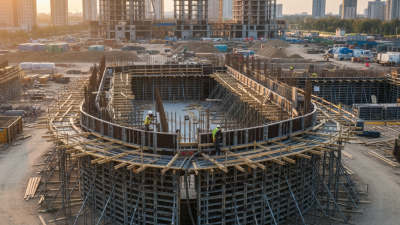
Top Round Column Formwork Solutions for Global Buyers?
In the world of construction, round column formwork remains an essential topic. Experts emphasize its importance for various projects globally. John Smith, a leading specialist in construction formwork, states, "Choosing the right round column formwork can dramatically influence project efficiency." His insight highlights the need for reliable solutions in this sector.
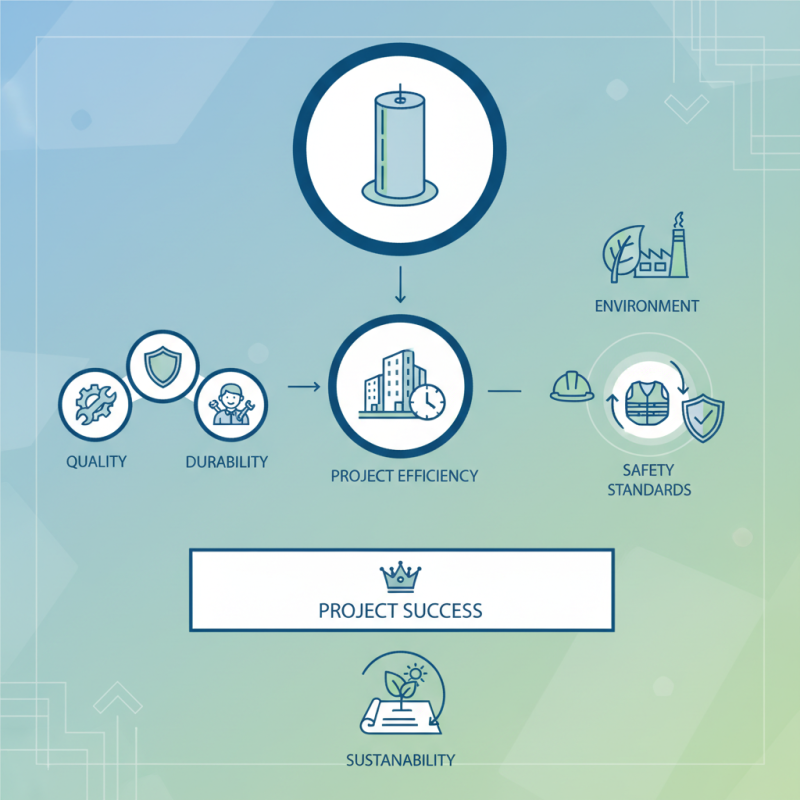
Round column formwork supports structural integrity while optimizing labor time. The design variations allow for customized solutions catering to different construction sites. Builders often face challenges in selecting the best formwork. Quality, durability, and ease of use are key factors in decision-making. Despite advancements, many still struggle with imperfections in the formwork process.
While innovations continue, some issues remain unresolved. Not every method addresses environmental concerns or safety standards effectively. This calls for ongoing reflection in the industry. By focusing on reliable round column formwork solutions, builders can enhance their project's success and sustainability.
Top Round Column Formwork Solutions: An Overview
When constructing round columns, choosing the right formwork solution is vital. Various options exist, each with unique features. Some may offer quick assembly but lack stability. Others may enhance durability but come with higher costs. Therefore, assessing needs is crucial.
An effective round column formwork should balance efficiency and cost. Lightweight materials can ease transportation and setup. However, they may not withstand extreme weather conditions. On the contrary, heavier options can provide greater support but increase labor intensity. Evaluating the project's scale can help determine the best material.
Moreover, user feedback is essential. Some solutions may boast high performance but lack real-world application experience. Engaging with professionals in the field can provide insights. Real-time evaluations often reveal unexpected challenges in the formwork's use. Addressing these concerns can lead to improved designs and enhanced reliability.
Top Round Column Formwork Solutions: An Overview
| Material Type |
Weight (kg/m2) |
Load Capacity (kN/m2) |
Application Area (m2) |
Market Price ($/unit) |
| Steel |
20 |
50 |
150 |
120 |
| Aluminum |
15 |
45 |
120 |
150 |
| Timber |
40 |
20 |
100 |
80 |
| Plastic |
10 |
30 |
80 |
100 |
Global Market Demand for Round Column Formwork
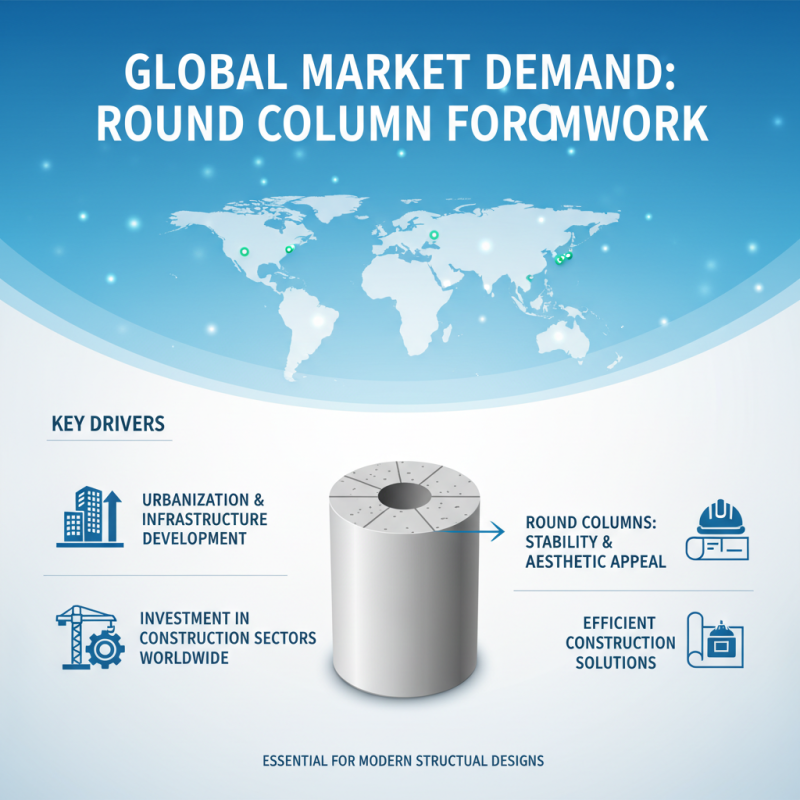
The global demand for round column formwork is on the rise, driven by urbanization and infrastructure development. Many countries are investing heavily in their construction sectors. Round columns are essential for many structural designs, providing stability and aesthetic appeal. This trend highlights the need for effective solutions that cater to diverse construction requirements.
Tips: When considering round column formwork, various factors should be evaluated. Material choice is crucial for durability and cost-effectiveness. Analyze the local availability of these materials, as this can influence project timelines.
Moreover, choosing the right formwork system can be a challenge. It's vital to assess the ease of assembly and disassembly. Complicated systems can delay projects and increase labor costs. Many construction teams might not be fully trained in advanced formwork techniques. Regular training can bridge this gap and improve overall efficiency.
Finally, aligning formwork designs with modern building practices is essential. Innovations in design could lead to enhanced safety and increased productivity on-site. Not all traditional methods adapt well to new technologies. Continuous reflection on the current practices can foster improvement in future projects.
Key Features of Effective Round Column Formwork Solutions
Round column formwork solutions are essential for many construction projects. They provide the support needed for strong, cylindrical structures. Effective formwork offers versatility and ease of use, making it a preferred choice among builders. It can adapt to various column sizes and shapes, facilitating quicker construction timelines.
One key feature is lightweight materials. These allow for easier transportation and assembly. Workers can handle components more efficiently, reducing potential injuries. Another important aspect is the reusable design. By minimizing waste, projects become more sustainable. However, some systems may show wear after multiple uses, indicating a need for careful quality assessments.
Attention to detail is crucial in column formwork. Precise alignment and securing methods ensure structural integrity. Even small gaps can lead to significant issues during concrete pouring. On-site adjustments might be necessary. Regular inspections can improve reliability and identify areas needing improvement. When investing in formwork, consider these features for optimal outcomes.
Comparative Analysis of Top Round Column Formwork Providers
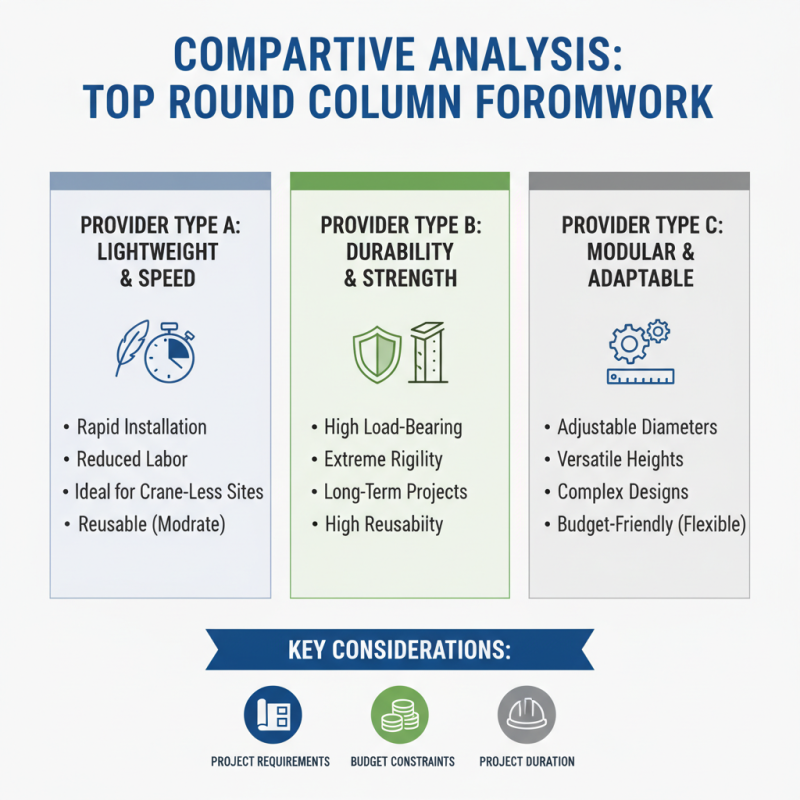
When it comes to choosing the right formwork solutions for top round columns, buyers face various challenges. The market is filled with providers, each boasting unique features. However, understanding their differences is vital. Some offer lightweight options, while others focus on durability. Buyers must consider their project requirements and budget carefully.
A thorough analysis of provider specifications reveals notable disparities. Some companies prioritize ease of assembly, which can save time on-site. Others may focus on cost-effectiveness, but at the potential expense of material quality. Not all formwork systems are created equal. Therefore, potential buyers should investigate both user reviews and technical details to inform their decisions.
Additionally, regional preferences can influence choices. In some markets, innovation in design is a game-changer. Meanwhile, others may value tried-and-true methods over new technology. It's essential to weigh these cultural and practical factors against personal project needs. Finding the right balance ensures successful implementation and long-lasting results.
Best Practices for Selecting Round Column Formwork Suppliers
When selecting round column formwork suppliers, buyers must prioritize reliability and quality. A recent industry report indicates that nearly 70% of construction delays stem from inadequate formwork solutions. This highlights the importance of working with experienced suppliers. Evaluate their track record. Ask for details regarding past projects. Quality suppliers should be willing to share case studies demonstrating their success.
Engage in discussions about their materials and design. Recent data points out that formwork made from high-grade steel can enhance durability by up to 30%. This translates to fewer replacements and significant cost savings over time. However, don’t rely solely on supplier claims. Request third-party certifications or testing results to ensure compliance with industry standards.
Consider geographic location as well. Local suppliers can reduce logistics costs and delivery times. Yet, global sourcing may provide advanced engineering options at competitive rates. It's crucial to weigh these factors carefully. Striking a balance may be difficult, but it’s essential for optimal project outcomes. Buyers must remain vigilant and question assumptions throughout the selection process.