Top Boards for Concrete Formwork Essential Guide for Builders?
When it comes to concrete formwork, choosing the right boards is crucial for any builder. Boards for concrete formwork directly influence the quality and durability of concrete structures. According to industry reports, over 35% of structural failures in concrete projects can be traced back to inadequate formwork materials. This highlights the importance of selecting boards that are both reliable and effective.
Modern technology has introduced various materials for concrete formwork, such as plastic, wood, and metal boards. Each type has its own advantages and potential pitfalls. For example, wooden boards offer natural insulation but may warp in wet conditions. On the other hand, plastic boards resist moisture yet can be expensive. Builders must weigh these factors carefully to avoid costly mistakes.
Ultimately, the choice of boards for concrete formwork can make or break a project. Quality, consistency, and suitability for specific applications matter greatly. Builders need to continually assess their options and remain informed about new developments in material technology. A cautious approach leads to more successful outcomes.
Understanding Concrete Formwork Basics for Builders
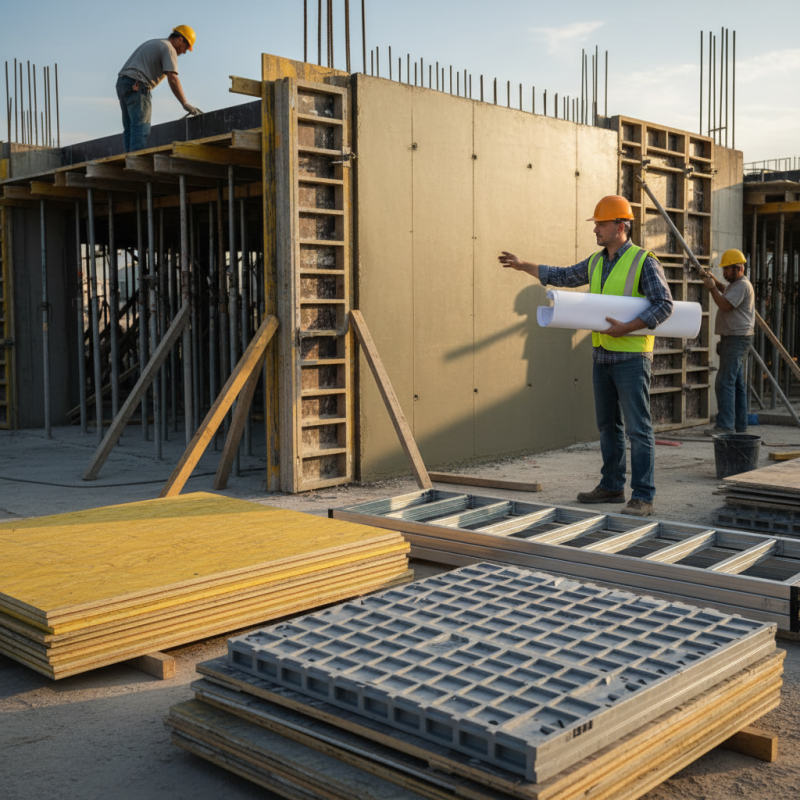
Concrete formwork is essential for any successful building project. Understanding its basics helps builders prepare effectively. Formwork is temporary or permanent molds used to hold pouring concrete. Selecting the right materials and methods impacts structure quality and cost.
Various types of formwork exist, each with unique applications. Wood is common for small projects due to its flexibility and availability. Steel and aluminum offer durability for larger structures but can be more expensive. Each option has pros and cons. Builders must assess their project needs and budget carefully.
Mistakes in formwork can lead to costly repairs. For instance, misalignment can cause weaknesses in the concrete. Builders must pay attention to detail. Planning and execution are key. Proper training and hands-on experience can mitigate risks. However, even skilled builders face challenges. Continuous learning is vital in mastering formwork techniques.
Types of Concrete Formwork Boards and Their Applications
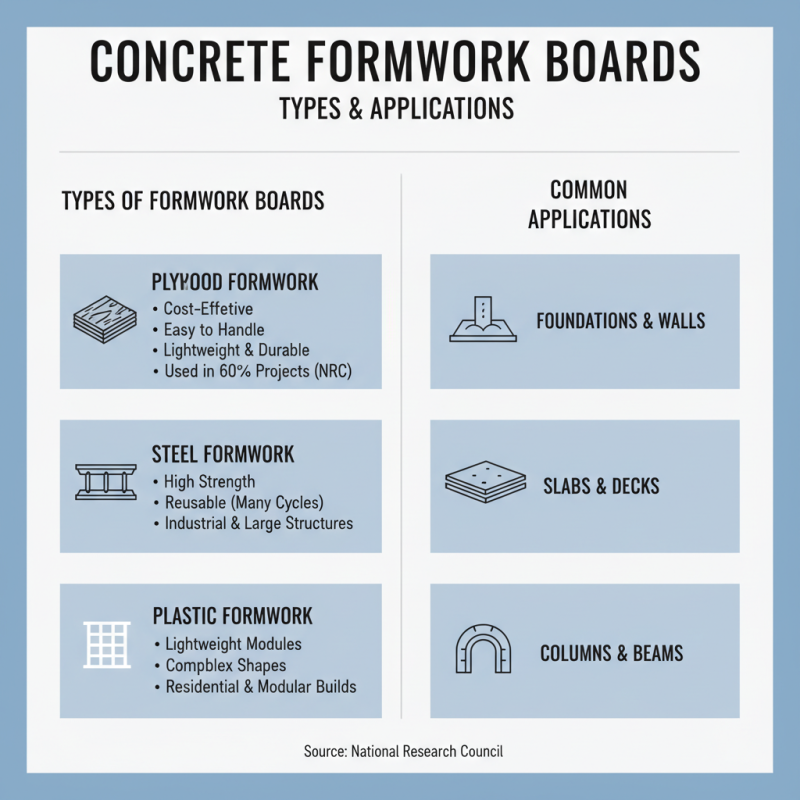
Concrete formwork boards are essential in construction, providing support for wet concrete until it cures. Their types vary significantly, with each serving specific applications. Plywood formwork is commonly used for its cost-effectiveness and ease of handling. A report by the National Research Council highlights that over 60% of construction projects utilize this material due to its lightweight and durable nature.
Steel formwork offers a robust alternative, often employed in high-rise buildings. This type can endure repeated use, reducing long-term costs. According to industry data, steel formwork can last up to 100 uses compared to plywood, which typically lasts around 10 uses. This durability makes steel a preferred choice for complex structures, although the initial investment is higher.
Aluminum formwork is gaining popularity, especially in residential buildings. It’s lightweight and allows for faster assembly, but it comes with high upfront costs. Industry experts emphasize that while aluminum reduces labor time, it requires careful handling to avoid damage. As technology progresses, hybrid systems combining different materials may offer optimal solutions but may introduce complexities in handling and integration. These developments indicate the evolving nature of concrete formwork and the continuous need for builders to adapt to changing materials and methods.
Selecting the Right Materials for Formwork Boards
When selecting materials for formwork boards, it’s crucial to consider durability and suitability. The right formwork ensures the stability of concrete structures. Different projects demand various types of boards. Using plywood, for instance, can provide excellent surface finish. However, it may not be the best choice for all applications.
Some builders opt for aluminum or steel boards. These materials offer strength and are reusable. They tend to deliver a smooth finish as well. Yet, one must evaluate the upfront costs against long-term benefits. Reflecting on a project’s needs will guide you in making a solid choice. Budget constraints can often influence decisions, leading to compromises that may affect the structure's integrity.
Moreover, environmental factors play a significant role. Boards exposed to moisture can warp or degrade quickly. Choosing the wrong material might result in costly repairs. Regularly revisiting your choices can help identify gaps in your approach. Adaptability is essential in the construction field. Being open to evolving materials or techniques can enhance project outcomes.
Best Practices for Installing and Using Concrete Formwork
When installing concrete formwork, precise measurements are crucial. A survey from the Concrete Formwork Association indicates that nearly 25% of formwork systems fail due to poor layout. Builders should ensure their formwork aligns with the project specifications. This attention to detail avoids costly errors and delays.
Proper installation techniques also play a crucial role. Research shows that nearly 20% of concrete failures can be traced back to formwork issues. For example, inadequate bracing can lead to misalignment during the pour. Using suitable materials, such as high-quality plywood and steel reinforcements, enhances stability. Builders often overlook this, resulting in compromised structural integrity.
Additionally, effective communication among team members is vital. Delays often stem from misunderstandings regarding formwork installation details. Regular on-site discussions and check-ins can significantly mitigate these risks. Formwork is a complex system, and even minor oversights can lead to larger problems. Attention to these details ensures that projects stay on schedule and within budget. The importance of thoughtful planning is undeniable in achieving successful concrete structures.
Top Boards for Concrete Formwork Essential Guide for Builders
| Board Type |
Material |
Thickness (inches) |
Ideal Use Case |
Average Cost ($) |
| Plywood |
Wood |
0.75 |
General purpose formwork |
30 |
| Aluminum Forms |
Metal |
2.0 |
High-strength applications |
75 |
| Steel Forms |
Metal |
0.5 |
Large commercial projects |
100 |
| Fiberboard |
Composite |
1.0 |
Lightweight, temporary forms |
25 |
Maintenance and Safety Tips for Concrete Formwork Systems
When working with concrete formwork systems, maintenance and safety are crucial. Regular inspections of the formwork frames can prevent accidents. Look for wear and tear, particularly in areas that bear weight. Inspect joints and connections; they must be secure. Damaged formwork can pose significant hazards during concrete placement.
Proper storage also plays a vital role. Keep formwork materials away from extreme weather conditions. Temperature fluctuations can weaken plastics and warp wood. When transporting formwork, use caution. Secure it well to prevent shifting. It’s easy to overlook these details, but they significantly impact safety.
Safety gear is essential. Always wear helmets and gloves while on site. Beyond personal protection, ensure that everyone on the team is aware of protocols. Communication is key during setup and dismantling. There may be instances where training could be improved. Reflection on past experiences can guide future practices. Regularly review safety measures with your team to enhance awareness.