2026 How to Use Shuttering Formwork Efficiently for Your Construction Projects?
In the construction industry, efficiency is paramount. Shuttering formwork plays a critical role in achieving this goal. According to a report by the National Institute of Standards and Technology, improper formwork setup can lead to a 20% increase in labor costs and extend project timelines. Effective use of shuttering formwork can mitigate these issues.
Constructing with shuttering formwork requires strategic planning. It is not just about material selection but also about understanding site conditions and project specifications. Research from the American Society of Civil Engineers highlights that nearly 30% of construction delays stem from improper formwork practices. Thus, investing time in training and effective communication is essential.
Reflecting on past projects reveals areas for improvement. Even seasoned professionals can overlook the importance of proper alignment and support. By integrating lessons learned from these experiences, construction teams can enhance their approach. Prioritizing efficient shuttering formwork leads to successful project outcomes and minimizes waste.
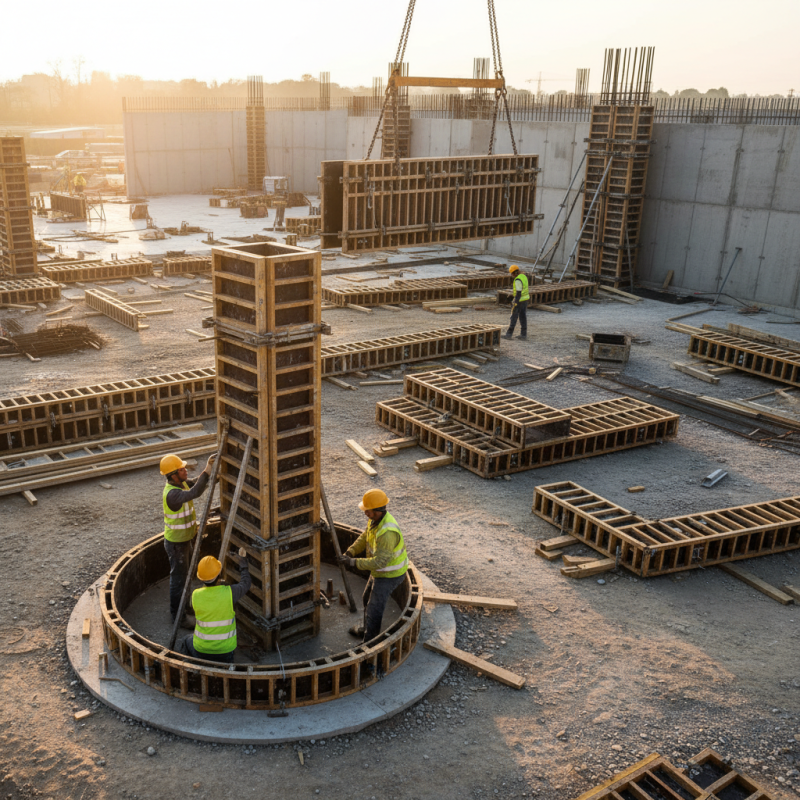
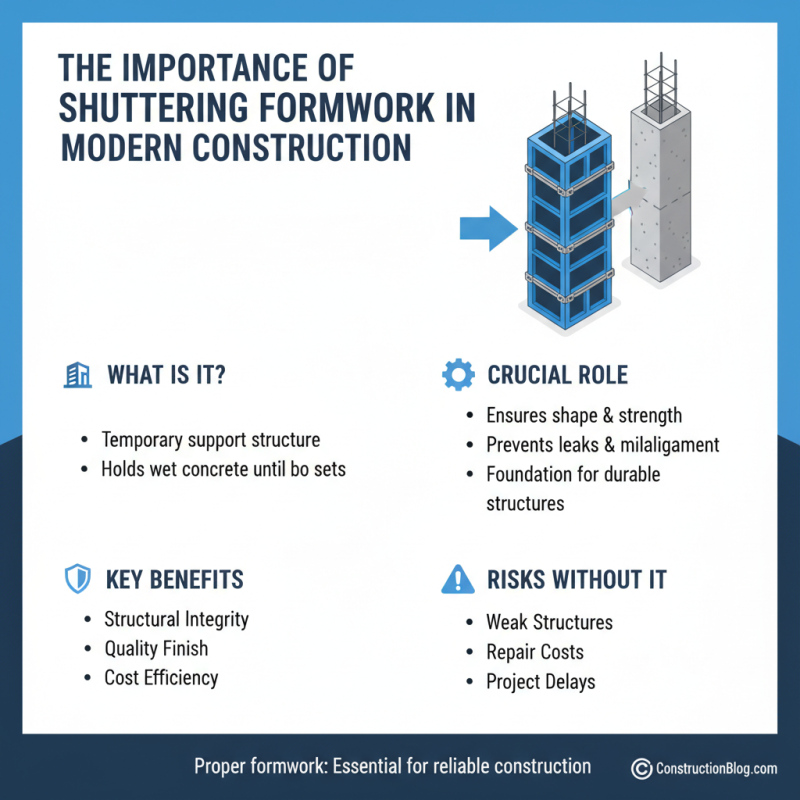
The Importance of Shuttering Formwork in Modern Construction Projects
In modern construction, shuttering formwork plays a vital role. It provides the necessary support for concrete until it sets. This system ensures that structures maintain their shape and strength. Without effective formwork, projects may face issues like leaks or misalignment. Therefore, understanding how to utilize formwork properly is essential.
One common mistake is using inadequate materials for formwork. Cheap options might save costs initially but lead to greater expenses later. Workers may encounter difficulties during installation. Uneven surfaces can affect the overall quality of the build. Choosing the right type of shuttering is critical for success.
Moreover, proper training for the workforce is often overlooked. Skilled labor can significantly enhance efficiency and accuracy. If workers understand the nuances of formwork, they can avoid common pitfalls. Investing in training creates a more competent team. This foresight ultimately leads to smoother project execution. In the ever-evolving field of construction, embracing technology can also improve formwork systems. Yet, many construction sites still rely on outdated methods, which can stifle innovation. Adopting new practices could enhance both safety and productivity.
Key Types of Shuttering Formwork and Their Applications in Construction
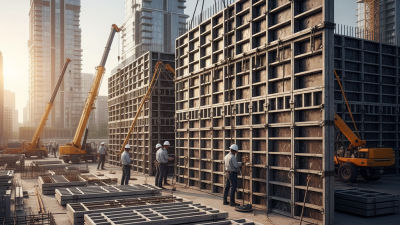
Shuttering formwork is essential in construction projects. Different types offer unique benefits. Understanding these variations aids in selecting the right method.
Traditional timber formwork remains popular. It is flexible and easy to work with. However, it can be labor-intensive and may not always provide the desired finish. The risk of warping or rotting is always present. Alternative materials can help address these issues.
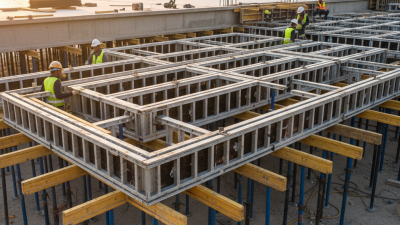
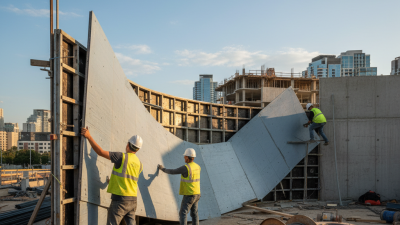
Steel formwork provides durability and strength. It suits large projects requiring high precision. Yet, its installation can be complex and requires skilled labor.
Plastic formwork is lightweight and easy to transport. It fits well in residential buildings but may lack the robustness for larger structures. Exploring all options is crucial for effective use. Each material has trade-offs that need careful consideration.
Strategies for Optimizing the Use of Shuttering Formwork Efficiency
Shuttering formwork plays a crucial role in construction. Efficient use of this material can significantly impact project timelines and budgets. According to a 2022 report by the Construction Industry Institute, optimizing formwork can reduce labor costs by up to 25%. This statistic highlights the potential for increased profitability when employing effective strategies.
One key strategy is modular formwork systems. These systems allow for faster assembly and disassembly. They also promote standardization, making reuse and recycling easier. A study from the International Journal of Construction Management indicates that using modular formwork can cut project completion times by roughly 15%. Additionally, it minimizes material waste, contributing to sustainable practices in construction.
Training workers on the proper setup and use of formwork is essential. Many projects overlook this step, leading to mistakes and rework. A survey by the National Association of Home Builders found that 30% of delays in construction stem from improper formwork handling. Ensuring your team understands these complexities can save time and enhance safety. Emphasizing continuous learning and adaptation within teams fosters an environment for improvement.
Efficiency of Shuttering Formwork in Construction Projects (2026)
Industry Best Practices for Designing and Implementing Shuttering Systems
When implementing shuttering systems, proper design is crucial. It impacts the efficiency of your construction projects. Start by assessing the site conditions thoroughly. Each project has unique challenges. Factors like soil type, weather, and load-bearing requirements must be considered. Experience shows that neglecting these elements can lead to structural issues.
Selecting materials is equally important. Use high-quality plywood and steel for durability. But remember, cost-effective solutions can also maintain quality. Experimenting with different materials on smaller projects may offer insights. Be cautious, though. A poor material choice could delay your timeline.
Documentation and training play vital roles. Ensure everyone understands the design plans. Regular training sessions can improve knowledge and reduce errors. Record all feedback and adjust strategies as needed. This approach fosters an environment of continuous improvement, but don’t overlook issues when they arise. Errors in the initial stages can cascade, complicating the entire project. Balancing these aspects can streamline the process while ensuring structural integrity.
Measuring the Economic Impact of Efficient Shuttering Formwork Usage
Efficient use of shuttering formwork can significantly impact construction economics. According to a report by the International Journal of Construction Management, optimizing formwork can reduce costs by up to 30%. Improved design and materials shorten project timelines. This can lead to savings on labor, site overheads, and equipment rentals.
However, achieving these efficiencies requires thoughtful planning. Many construction teams face challenges such as inadequate training and misunderstandings about formwork systems. The National Association of Home Builders has noted that improper formwork use can lead to 10% or more in wasted materials. This waste can be minimized through proper training and adherence to best practices.
Economic outcomes also extend beyond immediate savings. Efficient formwork can enhance project safety and quality. These factors contribute to increased client satisfaction and future work opportunities. In the long term, investing in advanced formwork solutions may yield returns that far exceed initial costs. Constructing efficient workflows is essential to meeting these goals and improving overall project success rates.
2026 How to Use Shuttering Formwork Efficiently for Your Construction Projects? - Measuring the Economic Impact of Efficient Shuttering Formwork Usage
| Project Name |
Location |
Shuttering Type |
Total Cost ($) |
Time Saved (Days) |
Labor Efficiency (%) |
| Skyline Tower |
New York, NY |
Steel & Plywood |
850,000 |
15 |
20 |
| Greenfield Mall |
Chicago, IL |
Aluminum |
1,200,000 |
20 |
25 |
| Riverside Bridge |
Los Angeles, CA |
Modular |
750,000 |
10 |
18 |
| Downtown Office Complex |
Seattle, WA |
Hybrid |
1,500,000 |
25 |
30 |
| City Park Apartments |
Austin, TX |
Plastic |
600,000 |
5 |
15 |